

Confidence, Redefining Beauty!
Your Oak Park, River Forest, One-Stop Beauty and Wellness Destination!
Leading Med Spa Offering Hair Restoration And Rejuvenation Services
Confidence plays a vial role in overall wellbeing. Healthy self-esteem supports emotional and mental health and provides a strong foundations for pursuing your goals and passions. While there are many ways to enhance self-confidence, feeling comfortable in your appearance is an excellent place to start.
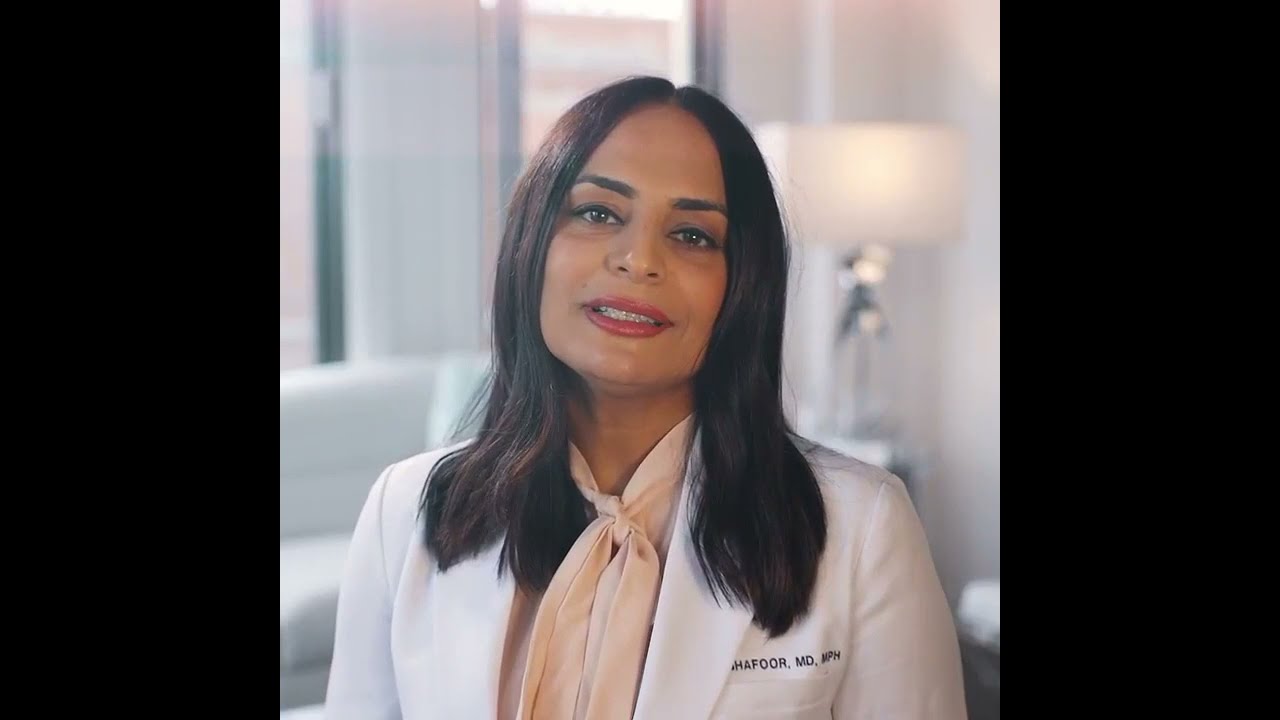
At Restorative Medspa, we are dedicated to helping our clients look and feel their best by providing an exceptional range of aesthetic services, from hair restoration to skin rejuvenation, weight loss interventions and more. Under the expert care of our renowned aesthetic physician, Dr Asma Ghafoor, you can look forward to restoring your natural beauty and regaining your self-confidence.
For transformative treatments from a leading aesthetic physician in Oak Park, IL, look no further than Restorative Medspa.
At Restorative Medspa, we have been privileged to witness first-hand the incredible impact that hair restoration procedures can have on our clients’ self-esteem. Whether you have begun to experience male-pattern baldness, are worried about thinning hair on the crown of your head, would like to grow a thicker beard, or are yearning to correct years of over-plucking your eyebrows, our hair transplant services are the ideal solution for you. We use cutting-edge hair transplant techniques that leave almost no visible scarring and create natural results that blend perfectly with your existing hairline. Our trusted hair transplant technology, HARRTS FUEsion, has delivered transformative results for countless clients.
We also offer non-surgical hair restoration treatments that stimulate new hair growth through non-invasive procedures such as platelet-rich plasma therapy hair restoration, HARRTS Scalp Pulse, Benev Exosomes scalp treatment, and vitamin therapy. Whatever your hair loss concern, Restorative Medspa has a suitable and effective treatment waiting for you.
Fine lines, wrinkles and sagging skin can leave you looking tired and worn-out. Developing wrinkles and losing facial volume a natural part of aging, but that doesn’t mean you have to accept them. For a smooth, plump, rejuvenated appearance, injectables are an excellent treatment option. For decades, aesthetic physicians have helped clients to restore their natural beauty with treatments such as fillers and Botox. At Restorative Medspa, we offer:
- Botox – injections that temporarily relax the facial muscles to prevent and reverse the formation of wrinkles
- Dermal Fillers – hyaluronic acid-based injectables that replenish lost facial volume, smooth out wrinkles and restore plumpness
- PDO threads – a safe, gentle skin-tightening solution that will lift, contour and plum aged, sagging skin
- PRF Treatment – a natural regenerative injectable that uses your body’s own growth factors to improve skin quality, soften lines, and restore a smoother, more youthful appearance
Your treatment will be delivered by our trusted aesthetic physician, Dr Ghafoor. With her technical precision and aesthetic expertise, you can enjoy peace of mind that the results of your treatment will leave you with a subtly enhanced, more youthful and revitalized appearance.
Complementing your skin care regimen with non-invasive treatments that rejuvenate dull, tired skin is an essential part of looking after yourself as you get older. For those looking for effective non-laser skin treatments, Restorative Medspa is pleased to offer:
- Hydrafacial MD – a state-of-the-art facial that detoxifies, cleanses and hydrates the skin all in one, leaving your complexion luminous and your skin plump and healthy
- Dermaplaning – a gentle exfoliating treatment that removes the top layer of dead skin and fine facial hears often referred to as ‘peach fuzz’, leaving the skin silky smooth
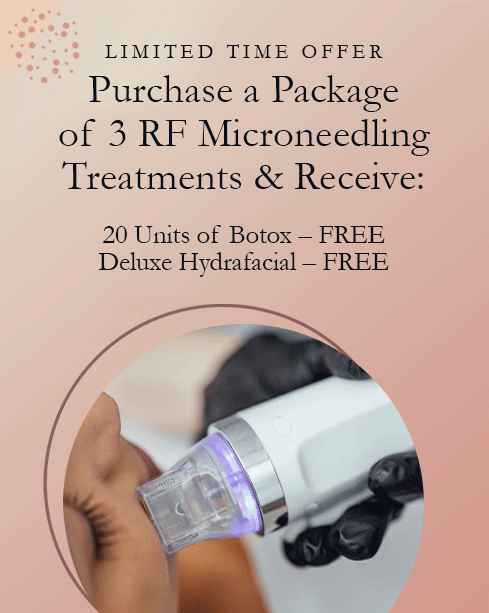
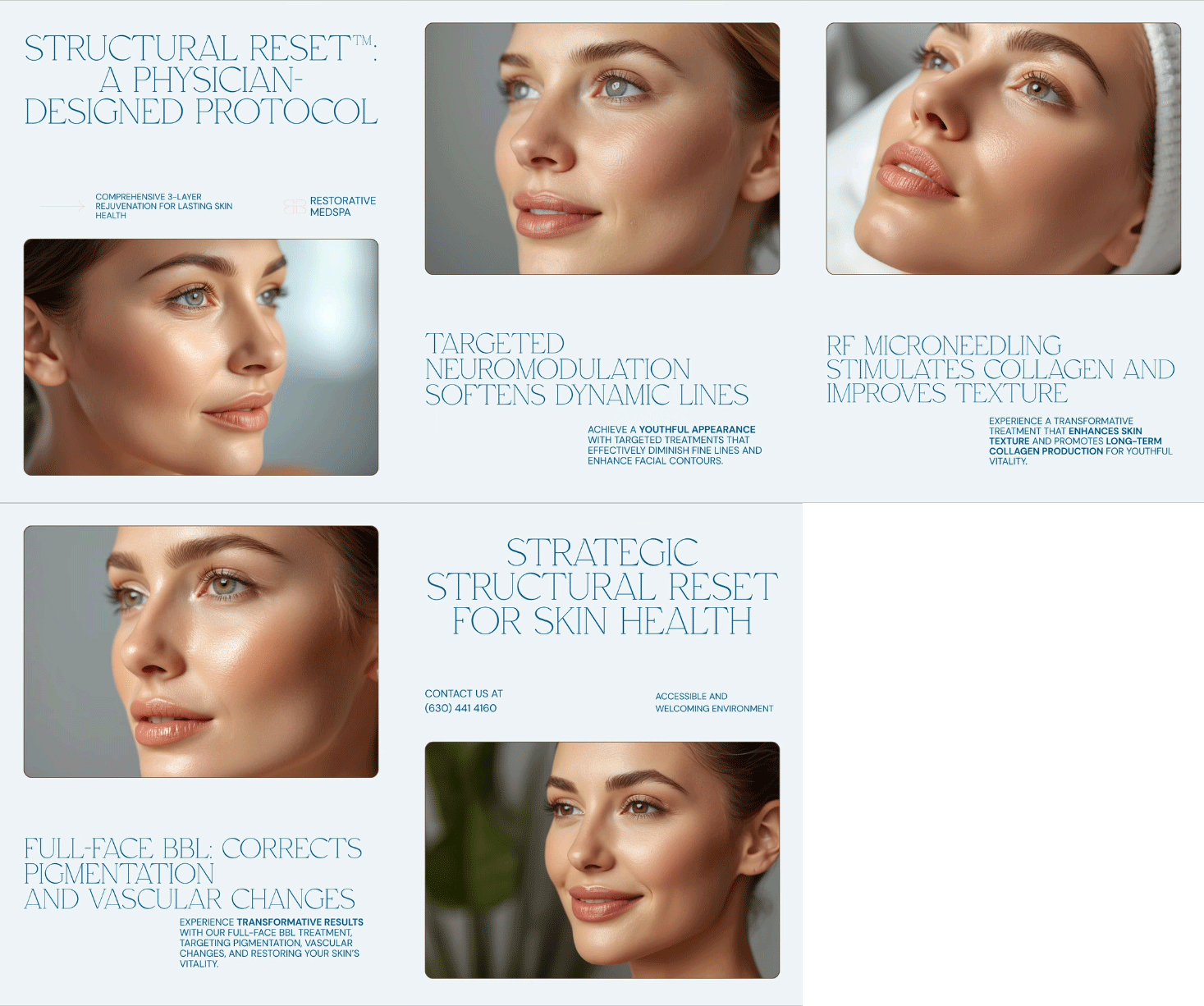
- Skin Tightening – a range of treatments such as Scarlet SRF (microneedling and radiofrequency), Agnes RF, and IPL (intense pulsed light) therapy that will lift, tighten and tone dull, aged skin
If you’re uncertain which skin treatment is most suitable for you, don’t let this stop you – Dr Ghafoor will carefully assess your skin’s condition and recommend a treatment plan that is perfectly suited to your needs.
Laser treatments are aesthetic medicine’s gold standard for reversing the signs of aging. Laser treatments target everything from fine lines and wrinkles to sun spots, pigmented lesions, uneven skin tone, acne scarring and rough skin texture. At Restorative Medspa, we offer a range of laser treatments that are designed to accommodate your unique skin concerns and capacity for downtime, including:
- HALO Hybrid Fractional Laser – a revolutionary laser treatment that allows clients to target multiple layers of skin at once, resulting in transformative, long-lasting results with minimal downtime
- Broad Band Light – Broad Band Light (BBL) therapy, often referred to as the ‘Swiss army knife’ of treatments, can be used to target and reduce sun damage, freckles and pigmentation; treat acne; boost collagen production; and remove unwanted hair
- Contour TRL Laser Resurfacing – a laser therapy that uses a tunable resurfacing erbium laser to precisely target your particular skin concerns by removing microscopic cellular layers and triggering the skin’s natural healing processes to result in a youthful, revitalized appearance
- ProFractional Laser Resurfacing – a laser treatment that uses a fractionated laser beam to expose the skin to tiny columns of focused laser light, thereby stimulating new collagen production and remodeling damaged collagen fibers to reduce acne scarring and deep wrinkles
- Nano & Micro Laser Peel Treatment – laser peel treatments commonly referred to as ‘lunchtime peels’ thanks to their dramatic results with minimal downtime
If you’re ready to take the next step in your journey to youthful, rejuvenated skin, laser treatments are exactly what you’ve been waiting for. Through an in-depth skin analysis and consultation, Dr Ghafoor will recommend a treatment plan that addresses your unique skin concerns and suits your lifestyle.
Although many aesthetic clinics focus only on facial skin concerns, at Restorative Medspa, we adopt a more holistic approach. Our clients’ whole-body wellbeing is incredibly important to us, which is why we offer:
- Medical Weight Loss – tirzepatide injections have transformed aesthetic medicine’s ability to help clients reduce stubborn excess weight while also reducing their risk of cardiovascular diseases
- Infrared Sauna Therapy – an incredibly relaxing treatment that simultaneously reduces inflammation, improves cardiovascular health, supports weight loss, relieves muscle and joint pain, and rejuvenates and detoxifies the skin
- Body Sculpting – a highly effective body contouring treatment that reduces fat and builds muscle all in one, without surgical intervention
- Sexual Health – we offer safe, effective treatments for erectile dysfunction, helping you to improve your sexual health and function and boost your confidence
Your wellbeing is our top priority, so don’t hesitate to contact Restorative Medspa to find out more about our wide range of wellness treatments.
Visit Oak Park’s Premier Medspa For Skin Rejuvenation And Hair Restoration
Restorative Medspa is proud to be the aesthetic clinic of choice for residents of Oak Park, IL and its surrounding communities. Our clients know that when they step into our practice, they will receive exceptional treatments from an experienced aesthetic physician that will leave them with lasting, effective results.
Whether you’re seeking hair restoration treatments, wish to reverse the signs of aging and sun damage, want to rejuvenate tired, dull skin, or are looking for a weight loss solution, Restorative Medspa has you covered.
To find out more about our wide range of services, contact us today at 630-441-4160 or book your appointment here.
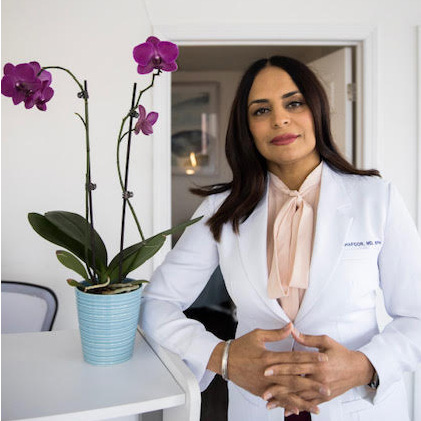
Meet Asma Ghafoor, MD, MPH
Meet Dr. Asma Ghafoor, our accomplished aesthetic physician, serving the beautiful downtown Oak Park area. Dr. Ghafoor is committed to transforming lives by providing beauty and wellness services that exceed your expectations of trusted, individualized care.
When you visit Restorative Medspa, expect a fully customized aesthetic experience. Whether you desire a more youthful appearance, want to shed off those extra pounds, or are interested in hair regrowth, Dr. Ghafoor is here to help! Her sole focus is aesthetics, and her passion is ensuring you always look, feel, and live your best.
Schedule Your Appointment
At Restorative Medspa, we make it easy for you to schedule your appointment. Click the link below to schedule an appointment time that fits your busy schedule. We can't wait to see you!
I LOVE Restorative Medspa! Dr. Ghafoor is AmAzInG and is very informed on all things beauty-related. It is so important for us to look and feel good, and Medspa helps me elevate my energy vibration to attract abundance into my life! The space is gorgeous and very comfortable!
— Jen M.
I had the hydro facial and laser for the bikini area. The service is perfect and the Dr knows what is good for you. My skin is glowing. My bikini area with just 2 treatments is doing wonders.
— Paola B.
I started working with Dr. Ghafoor on weight loss. I enjoyed her caring and down-to-earth attitude. I've had injectables, hydrafacial, and microneedling and loved them all and the results!! She does an amazing job and has earned my trust and repeat business!! FIVE-STARs plus!!
— Chrissy W.